
Shiba Inu
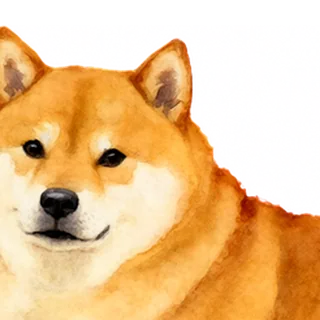
The Shiba Inu is a small, fox-faced hunting dog from Japan, the smallest of its six native breeds. It's bold, good-natured and forms strong bonds with its people, but it's independent at heart and can be very aloof. It needs daily walks and mental stimulation, and can't be trusted off lead outside a fenced area.
| Origin | Japan; an ancient hunting breed |
|---|---|
| Size | Small to medium, about 34–42 cm and 8–10 kg |
| Life expectancy | 13–16 years |
| Energy | Moderate, with daily walks |
| Coat | Double coat; red, red sesame, or black and tan |
What is a Shiba Inu like?
Confident, foxlike and very much its own dog. The AKC sums it up: Shibas are friendly, “but they are independent at heart and can be very aloof.” They still form strong bonds with their owners.
The National Shiba Club of America uses three Japanese words for the temperament: kan-i, boldness with composure; ryosei, a good and gentle nature; and soboku, an artless, open spirit. It also offers the more practical version: if a Shiba could say one word, it would probably be “mine”.
The AKC rates the breed high for watchdog instinct and lower for trainability, which matches the reputation. A Shiba listens, then decides.
Where does the Shiba Inu come from?
The mountains of Japan. Wikipedia describes it as the smallest of the six original Japanese breeds, bred to flush small game such as birds and rabbits, and ‘shiba’ means brushwood, per the AKC.
It came close to disappearing. Crossbreeding with imported Western dogs left almost no pure Shiba by the 1920s, and the breed nearly died out again during World War II. Japan named it a Natural Monument in 1936, and the AKC dates the first documented Shiba in the United States to 1954.
How much exercise does a Shiba Inu need?
Daily walks and some thinking work. The AKC says most Shibas are fairly energetic and love walks, though not so hyper that they’ll climb the walls without them.
Their mental stimulation needs rate higher than their energy. A bored Shiba is a problem Shiba.
The one non-negotiable is the lead. The AKC is unusually firm: a Shiba can never be considered reliable off lead unless it’s in a confined area, and no amount of training changes that.
Is a Shiba Inu a good dog to work beside?
Often, on its own terms. An independent dog that doesn’t need constant attention suits a working day, and the AKC notes adult Shibas aren’t generally destructive left alone, though some suffer separation anxiety.
Don’t expect a lap dog. Expect a dog that’s in the room because it chose to be.
There’s no breed-specific sleep figure, but the AKC says dogs in general spend up to half the day asleep. One more thing for the desk: Shibas shed a lot. The AKC says it happens twice a year, and some owners say each round lasts six months.
The Shiba Inu in Doggydoro
The app’s Shiba Inu has this habit line: “Ignores you for five minutes, then sleeps.” Given the above, fair.
The Shiba costs nothing. On the free version you start with any of the eight non-Pro breeds, this one included, and earn others with bones. Pro adds the Brindle Greyhound and the Bull Arab.
Your Shiba gets a name from you, and the end-of-session card uses it, along the lines of “25 minutes. Miso dozed off around minute 5.” See the other breeds.
More of the dogs
- Miniature Schnauzer: Keeps an eyebrow on you for five minutes.
- French Bulldog: Asleep by minute 2. Snores.
- Labrador Retriever: Dozes off around minute 5.
- All ten breeds